
Home / Pool Care Guides / How Often Should a Pool Be Serviced in Lake Travis?
How Often Should a Pool Be Serviced in Lake Travis?
A practical guide to weekly cleaning, water testing and equipment checks for Lake Travis and Hill Country pool owners.
By Tejas Hills Pool and Spa · October 27, 2026
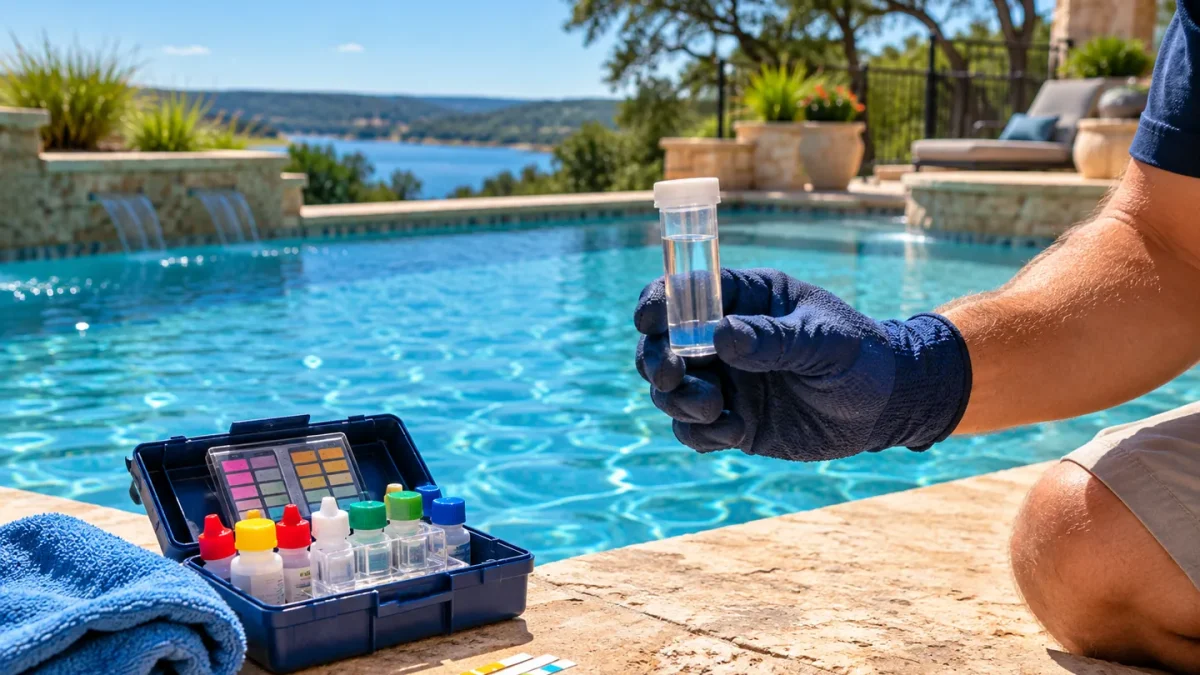
Quick answer: weekly professional visits are a starting point, not the entire plan
For many residential pools in the Lake Travis area, a dependable weekly professional service visit is a useful foundation. But weekly service does not mean the water can go unobserved for the other six days. Sunshine, windblown leaves, swimmers, rain and equipment settings can change water conditions between visits. The right schedule combines routine professional care with simple homeowner observation and testing.
A small shaded pool in Lakeway and a heavily used pool in Bee Cave may not need precisely the same attention. Size, bather load, filtration, landscaping and chemical system all matter. The goal is consistent, safe, inviting water—not a rigid schedule that ignores the pool itself.
What should a weekly pool service visit include?
A well-organized visit is more than a quick pass with a net. Depending on pool condition and the service agreement, common tasks include skimming, brushing surfaces that need attention, clearing baskets, checking circulation, observing the filtration system and reviewing water chemistry. Treatment and supplies should reflect testing results and the service scope rather than a one-size-fits-all dose.
A technician should also notice clues that deserve follow-up: a change in pump sound, lower-than-expected return flow, new stains or cloudy water. Not every observation is a repair, and not every repair is part of weekly maintenance. Ask which items are routine and which may require a separate equipment diagnosis.
Quick takeaway: Think of a weekly visit as preventive care and a chance to spot developing issues early. The safest schedule also includes checks between visits.
What should the homeowner check between visits?
Look at the pool every day or whenever conditions change. Is the water clear enough to see the bottom? Are the skimmer openings unobstructed? Has the pump unexpectedly stopped? Are there unusually many leaves after wind? Clear surface debris if you can do so safely, and report changes before they become persistent.
Water testing matters even when a technician visits weekly. The CDC advises residential pool owners to monitor disinfectant and pH regularly; its home-pool guidance recommends testing chlorine and pH at least twice a day, and more often during heavy use. That is separate from—and more frequent than—weekly professional visits. Use a suitable test kit, follow its instructions and consult a professional when the results do not make sense. In particular, CDC guidance recommends pool pH 7.0–7.8 and at least 1 ppm free chlorine, or at least 2 ppm when cyanuric acid is used. Pool equipment specifications and product labels still matter.
If sanitizer or pH is out of safe range, water is murky, or a fecal incident occurs, keep swimmers out and follow appropriate health guidance; a scheduled service appointment alone is not a guarantee the pool is ready for use.
When might a pool need additional visits or intervention?
Consider contacting your service team between visits after a storm, during high-use periods, when algae appears, or if circulation stops. Pools surrounded by trees can accumulate debris unusually quickly. A pool with a persistent leak, filter restriction or equipment fault may require diagnosis rather than extra routine cleaning.
An algae outbreak is a different project from routine maintenance. A green-to-clean treatment may require multiple stages, testing and filtration time. If your pool suddenly looks cloudy or green, see our guide to green or cloudy pool water, or explore green-to-clean service.
What about price and long-term value?
Tejas Hills currently presents recurring weekly service as starting at $220/month, plus chemicals and applicable taxes, with the final price varying by pool size, equipment, condition and needs. That is a starting price, not a binding quote. Service may be available without a required long-term contract. Check the current pricing page and request an individual estimate before making a decision; don’t assume a promotional offer remains in effect.
Value also comes from communication and consistency. Clear visit expectations, thoughtful chemical balance and early notice of equipment concerns can reduce surprises. The right company should explain the scope and be candid about work it does not perform.
A local approach in the Hill Country
Lakeway, Bee Cave, Rough Hollow and nearby Lake Travis communities include pools with different elevations, tree cover and configurations. Those variables can influence surface debris, sun exposure and upkeep. A good maintenance schedule is customized to the pool, not just its ZIP code.
Explore the Bee Cave and Rough Hollow community pages, or review the full service areas guide to ask about availability at your address.
Frequently asked questions
Is weekly pool service enough in the summer?
It can be a useful professional service cadence, but not a substitute for frequent owner monitoring of sanitizer, pH and equipment operation. Heavy swimming, storms and heat may require additional attention.
Do all pools need the same chemical treatment?
No. The correct treatment depends on measurements and pool-system requirements. Avoid adding chemicals based only on appearance or a generic internet formula.
Can I combine weekly service with equipment troubleshooting?
Yes, you can describe both concerns when requesting service, but diagnosis and repairs may require a separate visit or price. See equipment diagnostics and repairs.
Ready to spend less time worrying about your pool?
Tejas Hills Pool and Spa is a family-owned team serving Lake Travis-area communities. Tell us about your pool, its location and anything that has changed recently. We’ll discuss the appropriate next step and local availability.
Further reading: CDC: Home Pool and Hot Tub Water Treatment and Testing.
Related guides
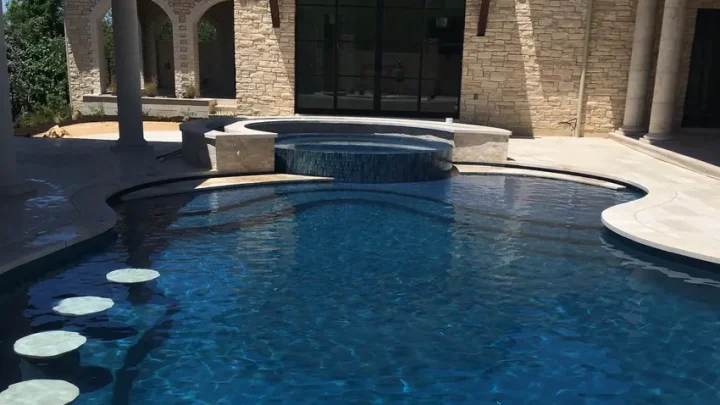
Know the difference between algae, cloudy water and a circulation problem—plus the safest next steps before anyone swims.
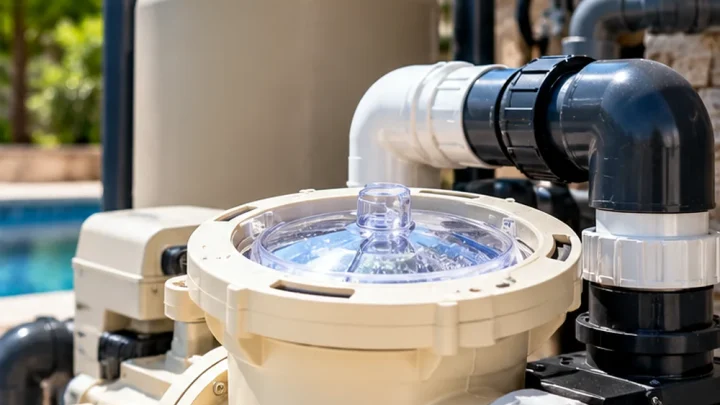
Low flow, air bubbles or a noisy pump? Learn what you can observe safely and when pool equipment needs professional diagnosis.
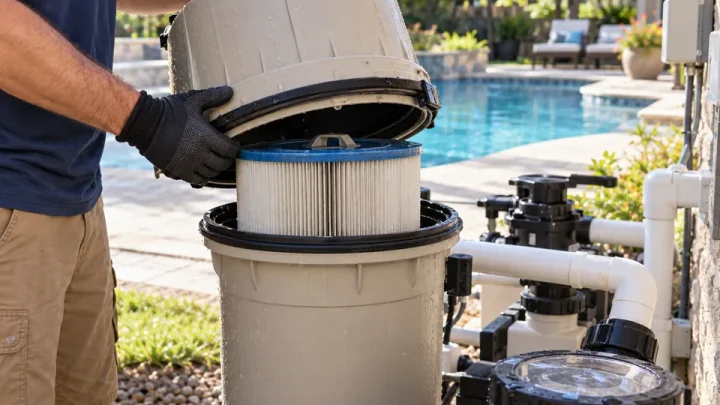
Cartridge, DE or sand? Learn the practical signs of a dirty filter and why your pool’s normal pressure matters more than a calendar.